The Vladimir Tiara: A Jewel That Escaped a Revolution
Smuggled out of a Russian palace in a Gladstone bag and sold to Queen Mary in exile — the extraordinary journey of one of the royal family's most travelled tiaras.
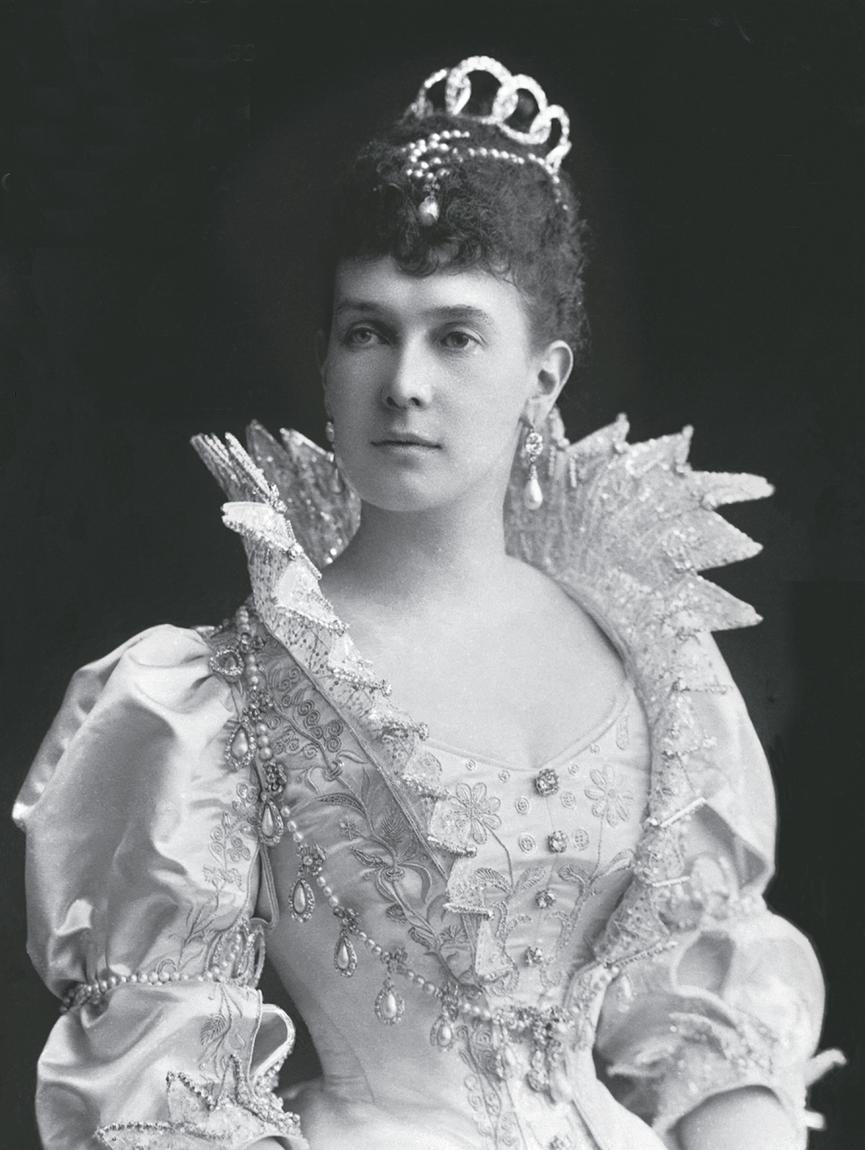
Some jewels are beautiful; a few are also survivors. The Vladimir Tiara — a cascade of interlaced diamond circles, today one of the most recognisable pieces in the royal collection — owes its place in Britain to one of the most dramatic rescue stories in the history of jewellery.
A Russian masterpiece
The tiara was made by the imperial court jeweller Bolin for Grand Duchess Maria Pavlovna — known as Grand Duchess Vladimir — one of the great hostesses of Romanov Russia. Its design of fifteen interlocking diamond circles, each originally hung with a swinging pearl, made it a jewel of real distinction even among the imperial collection.
Smuggled out in a Gladstone bag
Then came the Russian Revolution. As the old order collapsed, the Grand Duchess’s jewels were left hidden in a safe in the Vladimir Palace in St Petersburg. In an episode worthy of a thriller, Grand Duke Boris and a British art dealer, Bertie Stopford, slipped into the palace and spirited the contents of the secret safe out of the country in Gladstone bags, eventually getting them to safety in London.
Sold to Queen Mary
The Grand Duchess died in exile, and in 1921 her daughter Elena — by then Princess Nicholas of Greece and Denmark — sold the tiara, damaged in its travels, to Queen Mary. Mary, a true connoisseur of Russian jewellery, had it carefully repaired by Garrard. A jewel of the fallen Russian court thus passed quietly into the British one.
Pearls or emeralds — your choice
Mary’s cleverest touch came in 1924, when she had the tiara adapted so it could be worn in two different ways: with its original swinging pearls, or with a set of emerald drops (the Cambridge emeralds) clipped in instead — and Garrard built a mechanism to switch between them with ease. It can also be worn with no drops at all, making it effectively three tiaras in one.
A favourite ever since
Queen Elizabeth II wore the Vladimir Tiara often across her reign, in all three of its guises, at state banquets and grand occasions. Few jewels carry such a story — from a smuggled safe in revolutionary St Petersburg to the most glittering tables in Britain — and fewer still wear it so lightly.
Details of the tiara’s history are drawn from widely published accounts; some specifics vary between sources.


