Penhaligon's: Perfumer to the Court
From a Cornish barber's shop on Jermyn Street to the dressing tables of royalty — the fragrant, very British story of Penhaligon's.
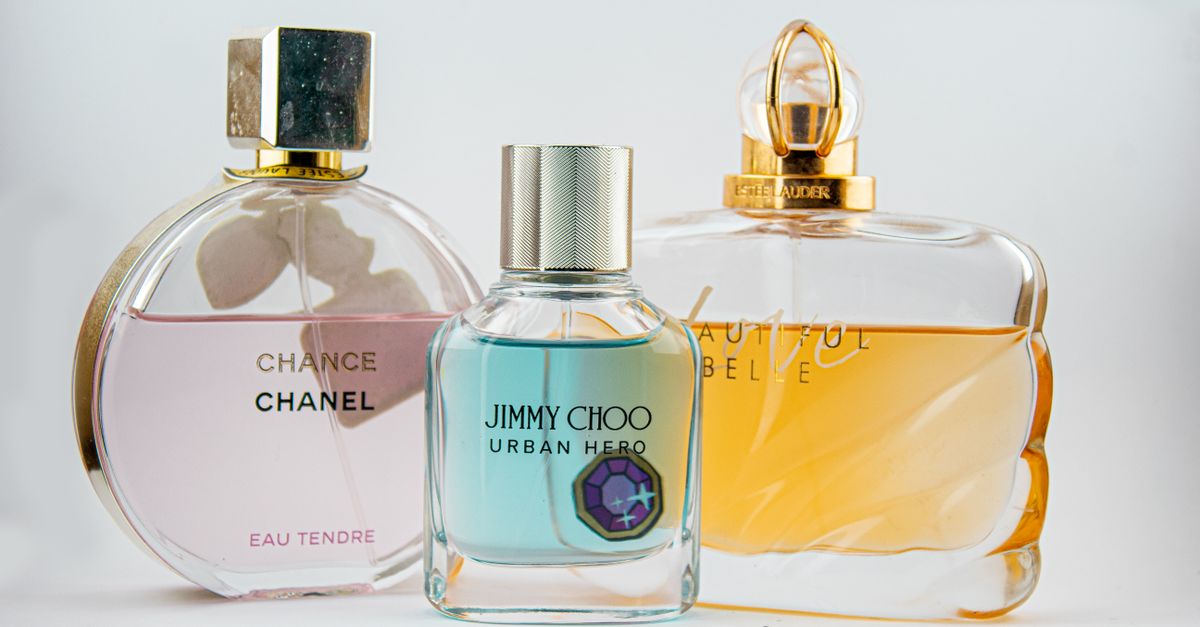
There is something wonderfully British about Penhaligon’s — a fragrance house born of a barber’s shop, a Turkish bath and a great deal of charm. More than 150 years on, it remains one of the most characterful names in British perfumery, and a long-standing favourite of the court.
A Cornish barber in London
Penhaligon’s was founded in 1870 by William Penhaligon, a barber from Cornwall who moved to London and set up shop at 66 Jermyn Street — the heart of the gentleman’s West End. He rose to become Court Barber and Perfumer to Queen Victoria, an early sign of the royal favour that would follow the house for generations.
The scent that started it all
Next door to his shop stood a Turkish bath, and its warm, aromatic air inspired William’s first fragrance, Hammam Bouquet, in 1872 — a bold, exotic scent that is still made today. It set the template for the house: distinctive, beautifully made perfumes with a sense of story and place.
Royal warrants and royal favour
Penhaligon’s received its first Royal Warrant in 1903 from Queen Alexandra, and earned further warrants in the decades since, including from the Duke of Edinburgh and the then-Prince of Wales. Few perfumers can claim such a long and continuous relationship with the royal household.
Still beautifully British
What makes Penhaligon’s special is its refusal to lose its eccentric English character — the fragrances still made and bottled in England, the scents named with a wink and a story. From a Jermyn Street barber’s chair to the royal dressing table, it remains a quintessential piece of British luxury.
Royal Warrant holder status is reviewed periodically and can change; details are correct as of 2026.


